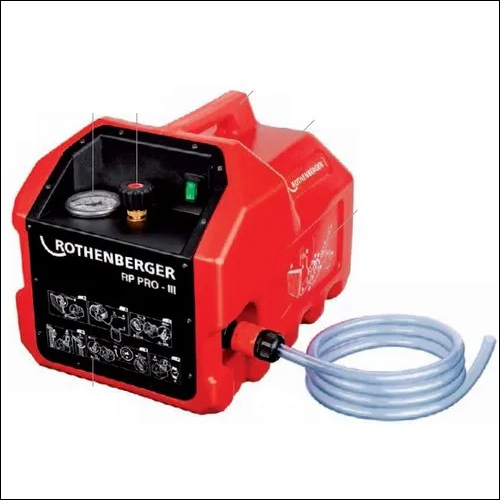
About Hydraulic Test Pumps
Specification
|
Model Name/Number
|
Depends On Model Selected
|
|
Usage/Application
|
Industrial
|
|
Pump Type
|
Depends On Model Selected
|
|
Brand
|
Depends On Model Selected
|
|
Motor Horsepower
|
Depends On Model Selected
|
|
Pressure
|
Depends On Model Selected
|
|
Material
|
ABS Plastic / Stainless Steel
|
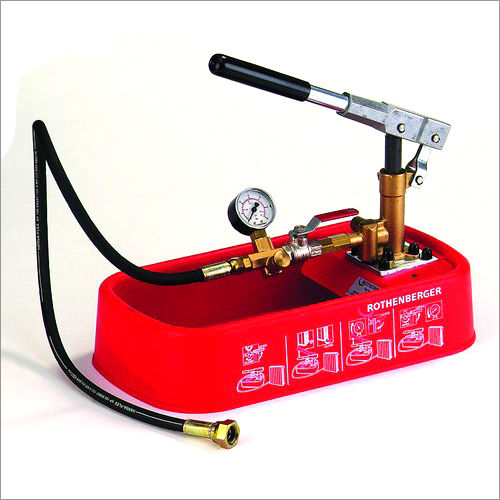
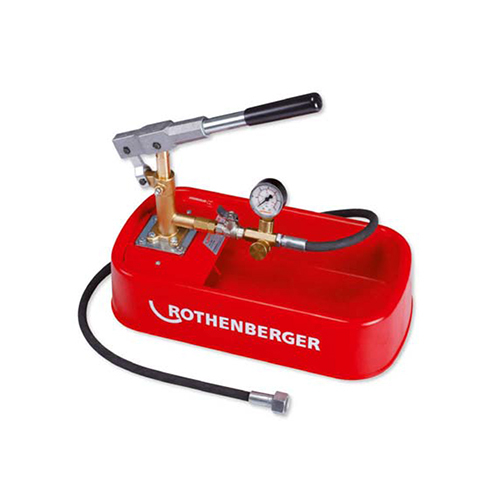
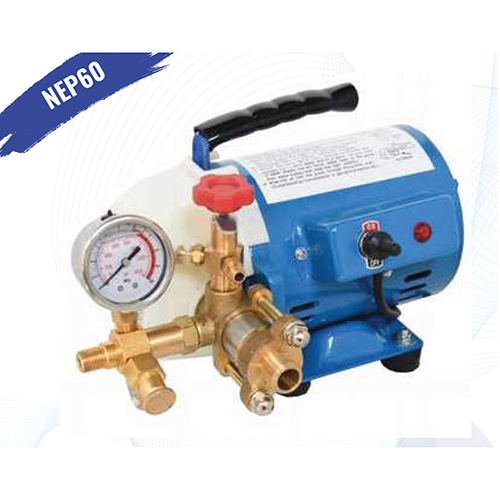
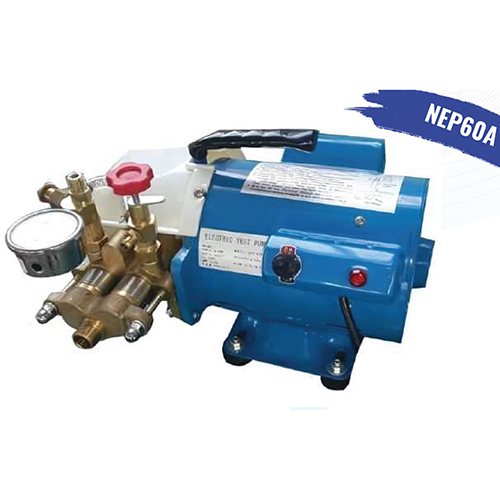
Robust Construction for Versatile ApplicationsDesigned with stainless steel or cast iron, and available in powder-coated, painted, or SS finishes, these pumps combine durability with visual appeal. The corrosion-resistant build ensures longevity and reliable performance when handling harsh chemicals or challenging water conditions, making them an asset across industrial, construction, and agricultural sites.
Safety and Precision at the ForefrontEquipped with thermal overload protection, high-accuracy pressure adjustment, and advanced pressure gauges (0-1000 bar), our hydraulic test pumps provide both safety and unparalleled measurement reliability. Manual or electric controllers allow users to tailor operation to specific application requirements, supporting precise and repeatable test cycles.
Flexible Integration and Easy OperationThese pumps offer a range of reservoir capacities and hose lengths, positive displacement suction, and are compatible with various fluids and seal types. Mounting options include portable trolleys and base mounting for seamless mobility or stationary use, enabling efficient workflow integration in any industrial or field-based environment.
FAQ's of Hydraulic Test Pumps:
Q: How does the thermal overload protection enhance motor safety in hydraulic test pumps?
A: Thermal overload protection monitors the pump motor's temperature and automatically shuts it off if overheating is detected. This feature prevents motor damage and prolongs the life of the pump, ensuring safe and reliable operation even in demanding test conditions.
Q: What range of fluids can these hydraulic test pumps handle, and are they suitable for corrosive environments?
A: These pumps are compatible with water, oil, glycol, and other non-corrosive liquids. Built with corrosion-resistant materials, they are well-suited for harsh chemicals and environmental conditions, delivering dependable performance in industrial and construction settings.
Q: When should I use a hydraulic test pump for hydrostatic testing?
A: Hydraulic test pumps are ideal for hydrostatic testing of pipelines, boilers, pressure vessels, and similar equipment to verify their integrity under pressure. Use the pump during installation, maintenance, or regular safety checks to ensure systems can withstand operational pressures.
Q: Where can these hydraulic test pumps be used effectively?
A: With rugged construction and portability options, the pumps are suited for industrial plants, agriculture fields, construction sites, and anywhere rigorous pressure testing is required. Options for trolley or base mounting add to their on-site versatility.
Q: What is the process of setting up and operating the hydraulic test pump?
A: Begin by securely connecting the hose and filling the reservoir with a compatible test fluid. Choose between manual or electric controller as needed. Calibrate the pressure gauge, set the desired pressure range, and initiate testing. The system's priming and positive displacement ensure smooth start-up and consistent flow.
Q: What are the main benefits of using these hydraulic test pumps?
A: Key benefits include high testing accuracy, robust motor and corrosion protection, flexible mounting and control options, and ease of operation. Their ability to handle high pressures and a variety of fluids makes them indispensable for ensuring safety and compliance in pressurized systems.






 English
 Spanish
 French
 German
 Italian
 Chinese (Simplified)
 Japanese
 Korean
 Arabic
 Portuguese
 Send Inquiry
 Send Inquiry

